VWR 28145-500 Filters 990 2MM T207036
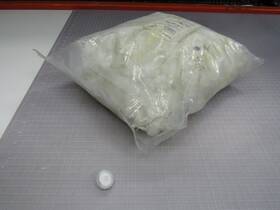
( Brand: Vwr ), ( Manufacturer Part Number: 28145-500 ), ( Part Type: Filter )
Review VWR Lot Of 990 2mm Filters
The **VWR 28145-500 990 2mm Filters (T207036)** are high-performance, precision-engineered optical filters designed for demanding laboratory and analytical applications where accuracy, consistency, and reliability are paramount. These filters are part of VWR s extensive range of optical components, engineered to meet stringent industry standards for use in spectroscopy, fluorescence, and other light-based analytical techniques. Each filter in this series features a **2mm thickness**, providing an optimal balance between durability and optical clarity while minimizing internal reflections that could compromise measurement precision. Constructed from high-quality, low-iron borosilicate glass, these filters are treated with a **multi-layer dielectric coating** that ensures exceptional wavelength selectivity, blocking unwanted light while allowing only the desired spectral range to pass through with minimal loss. The **T207036 designation** indicates a specific bandpass or longpass/shortpass configuration tailored for applications requiring narrow or broad spectral isolation, making them ideal for tasks such as fluorescence detection, UV-Vis spectroscopy, or laser-based experiments where stray light interference must be eliminated. With a **990-series designation**, these filters are likely optimized for near-infrared or infrared applications, where thermal stability and resistance to environmental factors are critical. The filters are packaged in a **500-count bulk lot**, offering cost-effective scalability for laboratories or research facilities with high-volume requirements. Their robust construction ensures resistance to abrasion, moisture, and chemical exposure, making them suitable for both bench-top and field-deployed instrumentation. Whether integrated into a spectrometer, fluorimeter, or other optical system, these filters deliver consistent performance across a wide range of wavelengths, ensuring that researchers and technicians can achieve reproducible and accurate results with confidence.
### **Pros and Cons of Buying VWR 28145-500 (990-2 mm Filters, T207036)**
#### **Pros:**1. **High Quality and Precision** These filters are designed for laboratory use, ensuring consistent and accurate filtration for applications like cell culture, microbiology, and sample preparation. The 2 mm pore size is ideal for removing particles while allowing liquids to pass through efficiently.
2. **Compatibility with Common Equipment** The T207036 designation suggests compatibility with standard laboratory filtration systems, including vacuum filtration setups, syringe filters, and some filtration manifolds. This makes them versatile for various lab procedures.
3. **Durability and Sterility** VWR (VWR International) is a reputable supplier known for producing sterile, single-use filters that minimize contamination risks. The polypropylene or similar material used in these filters is chemically resistant and reusable in some cases (if not disposable).
4. **Cost-Effective for Bulk Use** Purchasing in bulk (500 filters) reduces per-unit cost, making them economical for labs with frequent filtration needs. This is particularly useful for high-throughput applications.
5. **Standardized Sizing** The 990 mm diameter ensures consistency in filtration results, which is critical for reproducibility in experiments.
6. **Easy to Use** The filters are designed for straightforward installation in filtration assemblies, reducing setup time and potential errors.
7. **Wide Range of Applications** Suitable for filtering water, cell culture media, buffers, and other liquids in research, pharmaceutical, and industrial settings.
---
#### **Cons:**1. **Potential for Contamination** While sterile, improper handling (e.g., touching the filter surface) can introduce contaminants. This requires careful user practice.
2. **Limited Reusability** Most membrane filters are single-use due to potential clogging or microbial growth after use. Reusing them may compromise filtration efficiency and sterility.
3. **Cost for Small-Scale Users** Buying 500 filters in bulk may be overkill for occasional or small-scale users, leading to unused stock and wasted investment.
4. **Material Compatibility Issues** Some solvents or chemicals may degrade the filter material over time, reducing longevity. Always check compatibility with the substances being filtered.
5. **Disposal Considerations** Disposable filters contribute to laboratory waste. If sustainability is a concern, reusable alternatives (e.g., metal or glass filters) may need to be considered, though they may not offer the same pore size precision.
6. **Potential for Clogging** If filtering highly particulate samples, the 2 mm pore size may clog quickly, requiring frequent filter changes and increasing operational costs.
7. **Supplier Dependency** Relying on a single supplier (VWR) may limit flexibility if there are stock shortages or price fluctuations. Alternatives from other brands (e.g., Millipore, Whatman) may need to be explored.
---
### **Conclusion:**The **VWR 28145-500 (990-2 mm filters, T207036)** is a reliable, high-quality filtration solution ideal for laboratories with consistent, high-volume filtration needs. Its precision, compatibility with standard equipment, and bulk pricing make it a strong choice for research, pharmaceutical, or industrial settings where sterility and reproducibility are critical. However, the bulk purchase may not be cost-effective for infrequent users, and the single-use nature adds to waste generation.
For **small labs or occasional users**, purchasing smaller quantities or exploring reusable alternatives might be more practical. For **large-scale or high-throughput operations**, the bulk purchase offers significant cost savings and efficiency gains.
---
### **Recommendation:** - **Buy these filters if:**- You require a large quantity for routine use (e.g., weekly or daily filtration).
- Your lab prioritizes sterility, precision, and compatibility with existing filtration systems.
- You are working with applications where the 2 mm pore size is optimal (e.g., cell culture, microbiology).
- **Consider alternatives if:**- Your filtration needs are sporadic or low-volume; opt for smaller packs or single filters.
- You need reusable filters to reduce waste; explore metal or glass filters with comparable pore sizes.
- You are working with aggressive chemicals that may degrade the filter material; verify compatibility beforehand.
- **Tips for Optimal Use:**- Store filters in a clean, dry environment to prevent contamination.
- Follow proper handling procedures (e.g., using forceps to avoid touching the filter surface).
- Monitor for clogging and replace filters as needed to maintain efficiency.
Overall, these filters are a **strong, practical choice for labs with consistent filtration demands**, but their suitability depends on your specific workflow and budget.
Details:
Rush Orders Ship Same Day. We proudly sell hard-to-find parts, components, and machines to makers manufacturers. Open to Making Bulk Deals. Glad you stopped by.
Extra Information:: 25mm. 30 Day Warranty.
part #: 28145500 price
- $499.99
specifications generapneumati:
- brand: Vwr
- mpn: 28145-500
- part type: Filter
shipping generapneumati:
- service: UPS Ground, UPS 2nd Day Air, UPS Next Day Air
- cost: $19.89
- carrier: UPS
- type: Calculated
- transit: 4-8 Days
- class: Standard, Expedited, One-day
seller generapneumati:
- rating: 99.7%
- # reviews: 21334
- city: El Paso, Texas
returns generapneumati:
- time: 30 Days
- method: Money back
- paid by: Seller
- policy: Returns Accepted
offer generapneumati:
- quantity: 1
- availability: In Stock
- options: Ship-to-home
- sold: 0
- best offers: True
- started: March 1, 2026
general generapneumati:
- condition: Used
- Business Industrial > Hydraulics, Pneumatics, Pumps Plumbing > Other Hydraulics Pneumatics
payments generapneumati:
- other
- wallet: Apple-pay
- credit card: Mastercard
